
By 60, over half of men have histologic prostate enlargement; by 85 it is nearly universal. The main driver is dihydrotestosterone (DHT), converted from testosterone by 5-alpha-reductase inside the gland.
Key Takeaways
- Enlargement is near-universal by 85
- DHT drives growth via 5-alpha-reductase
- Track symptoms; know the red flags
What Happens to the Prostate After 50
The prostate grows in two phases — early puberty, then steadily from the mid-20s. Growth squeezes the urethra it surrounds, weakening stream and leaving residual urine that triggers frequency.
After 50, hormonal shifts — especially the conversion of testosterone to DHT — gradually enlarge the prostate in most men. A larger gland presses on the urethra, which is why stream and frequency change.
The Role of DHT
DHT is far more potent than testosterone at prostate receptors. That is why 5-alpha-reductase blockers shrink the gland — and why botanicals claiming hormonal effects face a high evidence bar.
Daily habits carry surprising weight: timed fluid intake, regular low-impact exercise, less evening alcohol and caffeine, and healthy weight all correlate with fewer urinary symptoms.
Common Symptoms and When to Get Checked
Track IPSS-style symptoms: weak stream, hesitancy, dribbling, urgency, nocturia. Red flags — retention, blood, fever with urinary pain — need same-day care. Annual exams with PSA discussion start at 50, earlier with family history.
Supplements with botanicals like saw palmetto or pygeum are widely used, but evidence is mixed. They never replace screening — blood in urine, inability to urinate, or severe symptoms warrant prompt medical care.
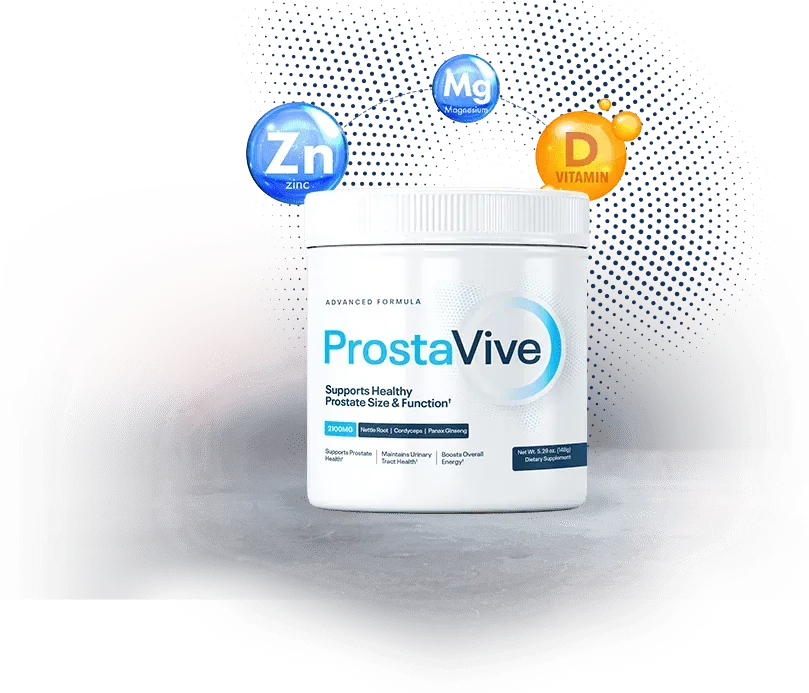
ProstaVive Review 2026: flow, sleep and verdict
Continue your research with our related in-depth guide on this topic — part of the Health50 Digest series.
Prostate changes are common, manageable, and worth monitoring. Track your symptoms, keep up annual checkups with PSA discussions, and pair smart daily habits with professional guidance. Early attention consistently leads to better outcomes.
Medical Disclaimer: This article is for educational purposes only and is not medical advice, diagnosis, or treatment. Always consult your physician or dentist with questions about your health.