
Many older men quietly dehydrate themselves to avoid bathroom trips — trading constipation, dizziness and denser urine (which irritates the bladder more) for one fewer wake-up. There is a better strategy.
Key Takeaways
- Dehydration worsens urgency — do not restrict all day
- Most fluids before 4 p.m.
- Pale yellow by afternoon is the target
Why Many Older Men Under-Drink
Thirst perception dulls with age while fear of leakage grows, so intake slides. Concentrated urine then stings the bladder lining and paradoxically increases urgency.
After 50, hormonal shifts — especially the conversion of testosterone to DHT — gradually enlarge the prostate in most men. A larger gland presses on the urethra, which is why stream and frequency change.
Front-Loading Fluids: A Simple Schedule
Drink most fluids before 4 p.m.: a large glass on waking, steady sipping through morning and lunch, tapering after dinner to sips only, none 2 to 3 hours before bed. Pale-yellow urine by afternoon means you nailed it.
Daily habits carry surprising weight: timed fluid intake, regular low-impact exercise, less evening alcohol and caffeine, and healthy weight all correlate with fewer urinary symptoms.
What to Drink — and What to Limit
Water first; herbal tea and watery fruit count. Limit caffeine after noon, evening alcohol, and big salty late dinners that drive thirst at the worst hour.
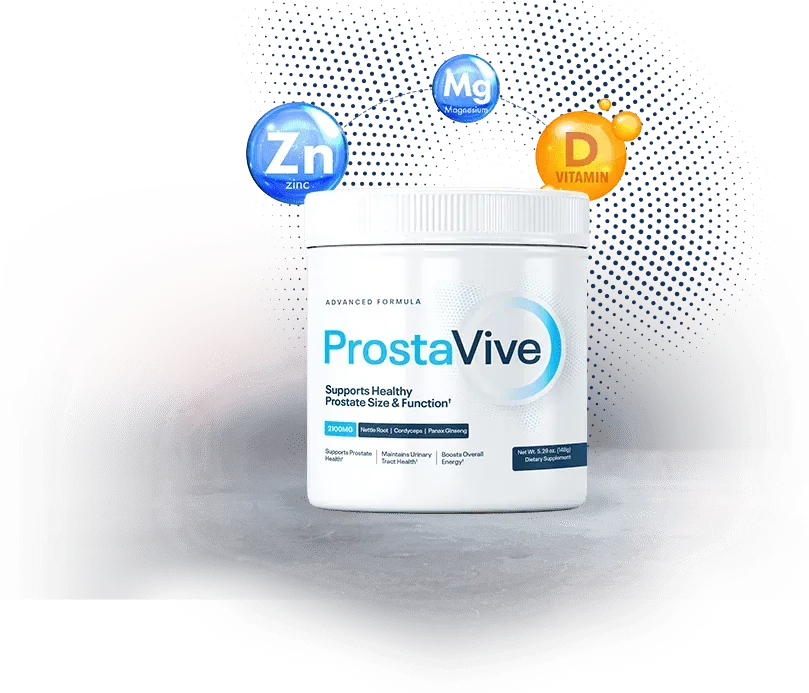
Supplements with botanicals like saw palmetto or pygeum are widely used, but evidence is mixed. They never replace screening — blood in urine, inability to urinate, or severe symptoms warrant prompt medical care.
Why Nocturia Disrupts Sleep Architecture
Continue your research with our related in-depth guide on this topic — part of the Health50 Digest series.
Prostate changes are common, manageable, and worth monitoring. Track your symptoms, keep up annual checkups with PSA discussions, and pair smart daily habits with professional guidance. Early attention consistently leads to better outcomes.
Medical Disclaimer: This article is for educational purposes only and is not medical advice, diagnosis, or treatment. Always consult your physician or dentist with questions about your health.