Saw palmetto and pygeum are the most-studied prostate botanicals in the world, prescribed widely in Europe. Their evidence is genuinely mixed — modest benefit in some trials, none in the largest rigorous ones — which is worth stating plainly.
Key Takeaways
- Most-studied, honestly mixed evidence
- 320 mg saw palmetto is the studied dose
- Relief must not delay evaluation
How Saw Palmetto Is Thought to Work
Saw palmetto is proposed to mildly inhibit 5-alpha-reductase and calm prostatic inflammation. Lab effects are clear; translation to symptom relief in big trials like STEP and CAMUS disappointed.
After 50, hormonal shifts — especially the conversion of testosterone to DHT — gradually enlarge the prostate in most men. A larger gland presses on the urethra, which is why stream and frequency change.
What Pygeum Adds to the Picture
Pygeum bark extracts show anti-inflammatory and anti-edema effects on prostate tissue, with European trials reporting modest improvements in nocturia and residual volume.
Daily habits carry surprising weight: timed fluid intake, regular low-impact exercise, less evening alcohol and caffeine, and healthy weight all correlate with fewer urinary symptoms.
Evidence, Dosage and Safety Notes
Typical studied doses: 320 mg saw palmetto, 50 to 100 mg pygeum daily. Both are generally gentle; rare stomach upset or headache. They can mask symptoms — never use them to postpone evaluation.
Supplements with botanicals like saw palmetto or pygeum are widely used, but evidence is mixed. They never replace screening — blood in urine, inability to urinate, or severe symptoms warrant prompt medical care.
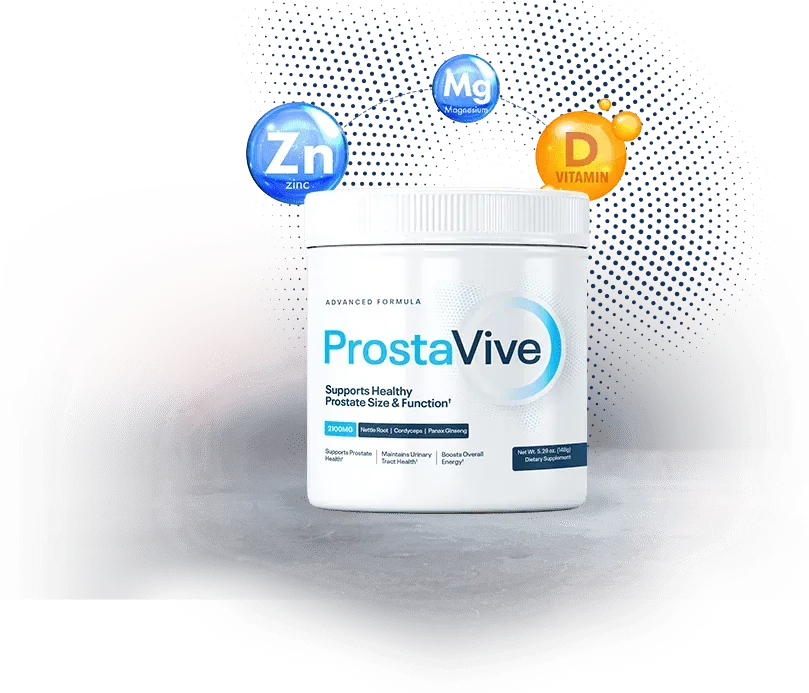
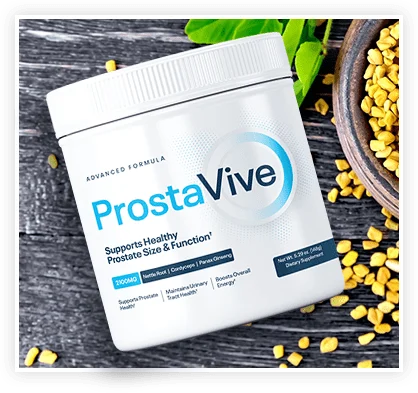
ProstaVive Review 2026: flow, sleep and verdict
Continue your research with our related in-depth guide on this topic — part of the Health50 Digest series.
Prostate changes are common, manageable, and worth monitoring. Track your symptoms, keep up annual checkups with PSA discussions, and pair smart daily habits with professional guidance. Early attention consistently leads to better outcomes.
Medical Disclaimer: This article is for educational purposes only and is not medical advice, diagnosis, or treatment. Always consult your physician or dentist with questions about your health.