5 Daily Habits for Youthful Joints After 50: Mobility and Flexibility Without Strain
Staying physically active becomes essential during your middle years. Many people seek healthy aging strategies that prioritize comfort over intense training. Gentle movement can preserve your range of motion without added physical stress.
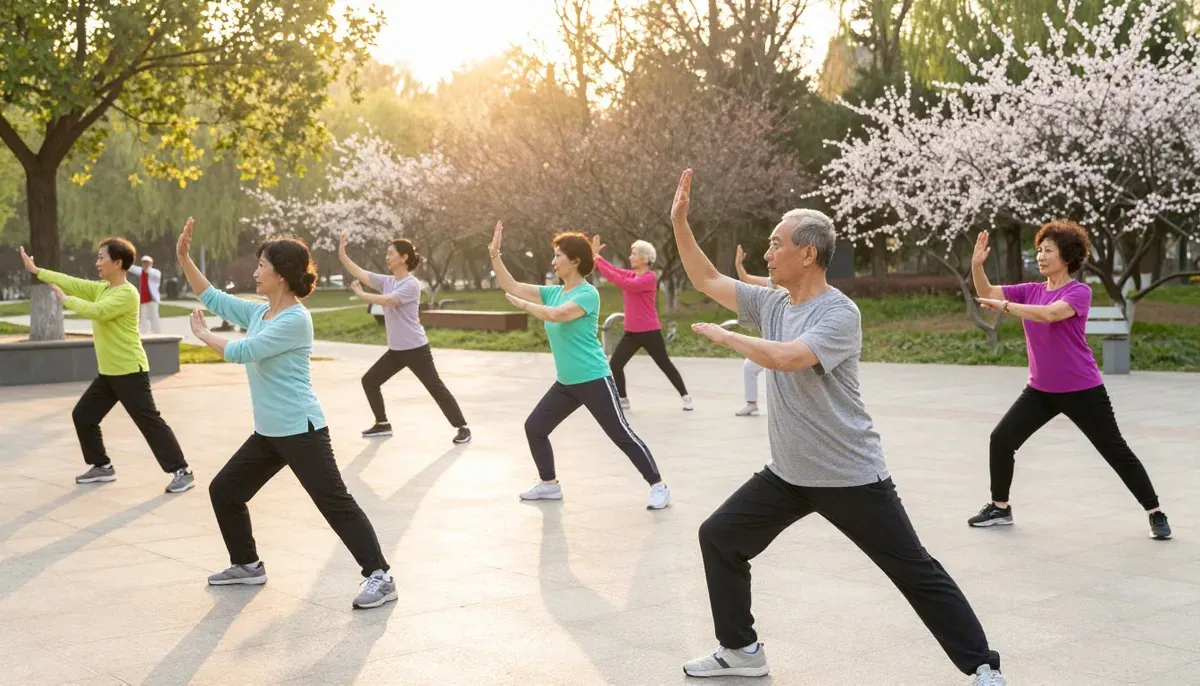
This guide presents a sustainable daily mobility routine to support your body. These five practical habits improve flexibility while minimizing discomfort. You’ll learn to integrate simple warm-ups, regular movement breaks, and recovery techniques into your schedule—all designed to keep your joints youthful and pain-free.
Small, consistent changes support long-term wellness. This gradual approach keeps activity enjoyable rather than feeling like a chore.
Key Takeaways
- Prioritize gentle, consistent movement to support long-term joint health.
- Incorporate short mobility breaks throughout the day to reduce stiffness.
- Use controlled strength exercises to protect and stabilize your joints.
- Focus on flexibility practices that enhance your natural range of motion.
- Establish recovery habits to ensure sustainable progress and comfort.
How the Five Habits Support Joints After 50
Long-term joint health depends on a balance of mobility, flexibility, and strength. Think of your body as one interconnected system, not isolated parts. Each habit supports independence and comfort in a unique way.

Why Mobility, Flexibility, and Strength Work Together
Joint mobility refers to a joint’s ability to move through its full range without restriction. Joint flexibility, on the other hand, concerns the length of the muscles surrounding those joints. Together with targeted strength, these elements make your body more resilient.
Strength training supports joints and helps stabilize them during movement. Without adequate muscle tone, joints absorb more impact and may become uncomfortable. Balancing these three components protects your skeletal system and promotes healthy aging.
How Consistent Low-Strain Movement Supports Daily Activity
Adding low-impact exercise to your daily routine helps keep joint tissues hydrated and lubricated. Steady, gentle movement can prevent the “freezing” sensation that often follows long periods of inactivity. It keeps everyday tasks—like reaching for a shelf or walking to the mailbox—manageable and pain-free.
Build functional capacity through steady, manageable effort. Avoiding high-intensity strain allows your body to adapt safely over time. Consistency helps you stay active without causing unnecessary inflammation or fatigue.
What Results to Expect From a Gradual Routine
Progress rarely happens overnight. A gradual routine builds long-term gains rather than quick fixes. After a few weeks, you may notice that rising from a chair feels easier or that morning stiffness has faded.
The table below illustrates how each component contributes to your overall physical well-being:
| Component | Primary Benefit | Daily Impact |
|---|---|---|
| Mobility | Full range of motion | Easier reaching and bending |
| Flexibility | Muscle length | Reduced tension and tightness |
| Strength | Joint stability | Better balance and support |
| Consistency | Habit formation | Long-term comfort and health |
These pillars create a foundation for your lifestyle for years to come. Remember, low-impact exercise means moving with intention, not pushing to your limit.
Safety Principles Before Starting a Joint-Friendly Routine
Before beginning any new activity, learn how your body signals its limits. Clear boundaries help your efforts build progress rather than cause setbacks. Safety is the cornerstone of better mobility and long-term wellness.

Distinguishing Normal Stretching Sensations From Warning Signs
Mild, dull tension during stretches is common and often indicates that muscles are lengthening. This feeling should feel productive and typically fades soon after you stop. Sharp, stabbing, or radiating pain, however, means you should stop immediately.
If discomfort lingers for hours after your session, you may be pushing too hard. Listening to these signals supports effective joint pain relief. Always choose comfort over intensity to prevent unnecessary strain.
Adapting Movement for Arthritis, Previous Injuries, or Joint Replacements
For those focusing on arthritis joint care, low-impact movement often eases daily joint stiffness. If you have past injuries or joint replacements, use controlled, smooth motions instead of deep or jerky stretches. Most movements can be modified by shortening the range of motion or using a chair for support.
Adding balance exercises to your routine can improve stability and confidence. Clear tripping hazards from your space before you begin. Small, steady changes help you stay active while protecting vulnerable areas.
When to Consult a Doctor or Physical Therapist
While a gentle routine is often safe, some conditions require professional oversight. If you’ve had recent surgery or experience chronic, unexplained pain, consult your healthcare provider first. A physical therapist can suggest modifications tailored to your medical history.
Seek professional advice if a joint swells, turns red, or suddenly loses function. These symptoms may indicate that your approach needs clinical adjustment. Proactive communication with your medical team keeps your plan both safe and effective.
Begin Each Morning With Gentle Joint Warm-Ups
A gentle morning routine can transform how your body feels as the day begins. Just a few minutes of movement can ease joint stiffness that builds overnight. This simple start sets a positive tone for the hours ahead.
Waking Up the Spine, Shoulders, Hips, Knees, and Ankles
Your body functions best when treated with care, especially during the first moments of the day. A systematic morning joint warm-up should address the key areas that support daily movement. Work from top to bottom so your spine, shoulders, hips, knees, and ankles receive the attention they need.
Using Small, Controlled Movements Instead of Deep Bends
Avoid forceful stretching or deep bends while your muscles are still cold. Instead, use controlled range-of-motion exercises to guide your joints along their natural paths. Small, rhythmic movements help circulate synovial fluid—the body’s natural joint lubricant.
“Movement is a medicine for creating change in a person’s physical, emotional, and mental states.” — Carol Welch
Breathing and Moving Slowly to Reduce Morning Stiffness
Pacing is key to a successful routine. Pair deep, steady breaths with each movement to keep your nervous system calm and responsive. This slow pace helps reduce joint stiffness and prevents strain from rushed flexibility exercises.
Example: A Five-Minute Morning Sequence
Perform this simple sequence beside a sturdy chair or wall for extra balance. Remember, consistency matters more than intensity.
- Neck and Shoulders: Gently tilt your head side to side, then perform slow shoulder rolls for one minute.
- Spine and Hips: Stand tall and perform gentle pelvic tilts or small, controlled hip circles for one minute.
- Knees and Ankles: Lightly march in place, then do ankle rotations while seated or holding a wall for support (one minute).
- Full-Body Integration: Finish with two minutes of slow, rhythmic reaching and deep breathing to improve overall range of motion.
Add Low-Impact Mobility Breaks Throughout the Day
Short bursts of activity can sustain joint function over time. While a morning routine helps, your body also benefits from brief movement breaks throughout the day. These mobility breaks counteract stiffness from prolonged inactivity.
Breaking Up Long Periods of Sitting
Extended sitting can lead to joint discomfort. When the body remains still, synovial fluid—the natural lubricant for joints—circulates less effectively. Moving every 45 to 60 minutes helps keep your joints hydrated and ready for action.
Using Walking, Marching, and Easy Range-of-Motion Exercises
You don’t need a gym to improve joint mobility. Simple low-impact exercises can maintain flexibility without placing extra strain on your joints. Walking for joint health is one of the easiest ways to keep your hips and knees moving smoothly.
Try gentle marching in place while waiting for your coffee to brew. You can also do slow arm circles or ankle rotations while watching television. These movements enhance blood flow and keep connective tissues supple.
Pairing Mobility Breaks With Everyday Cues
Habits form more easily when tied to daily triggers. Stand and stretch after each phone call or a specific work task. These cues support physical health without requiring a complex schedule.
How to Adapt the Routine at Home, Work, or While Traveling
Consistency is key, no matter where you are. Adapt your routine to fit any setting:
| Activity Type | Best Environment | Primary Benefit |
|---|---|---|
| Seated Ankle Pumps | Office or Airplane | Reduces lower leg stiffness |
| Standing Marching | Home or Kitchen | Improves hip range of motion |
| Hallway Walking | Work or Hotel | Promotes overall joint mobility |
| Wall Push-Offs | Anywhere with a wall | Engages upper-body joints |
Build Joint Support With Controlled Strength Exercises
Strong muscles surrounding your joints provide stability for active living. Well-conditioned joint-supporting muscles absorb shock and reduce stress on bones and cartilage during daily tasks.
Why Strong Muscles Help Reduce Stress on Aging Joints
Weak muscles force joints to bear more weight than they’re designed to handle. Regular strength exercises shift some of that stress from joint surfaces to surrounding tissue. This support helps movement stay smooth and limits stiffness from inactivity.
“Strength is the foundation of independence; by building muscle, you are essentially investing in the longevity of your own mobility.”
Practicing Sit-to-Stand, Wall Pushups, and Supported Leg Exercises
You don’t need heavy gym equipment to see results. Simple functional movements work well when performed with control. Try these foundational exercises:
- Sit-to-Stand: Use a sturdy chair to practice rising and sitting slowly, building essential leg and core strength.
- Wall Pushups: These provide a safe way to strengthen your chest and arms without straining your wrists or shoulders.
- Supported Leg Lifts: Holding onto a countertop lets you work on hip stability and leg strength while maintaining balance.
Choosing Resistance Without Causing Joint Strain
Challenge your muscles without overloading your joints. Start with body weight as resistance. When ready, add light resistance bands or small hand weights to increase the difficulty of your balance exercises.
Safe Form, Stable Support, and Gradual Progression
Always prioritize proper alignment over more repetitions. Use a wall or sturdy furniture for support during each movement. Progress is a marathon, not a sprint—increase effort gradually so your body adapts safely.
Improve Flexibility After the Body Is Warm
Once your body feels warm and supple, focus on improving joint flexibility. Flexibility exercises performed on pliable muscles can safely increase your overall range of motion. This practice keeps your joints fluid and less prone to stiffness during daily tasks.
Targeting Tight Hips, Hamstrings, Calves, Chest, and Shoulders
Focusing on areas that commonly tighten with age supports long-term comfort. Tight hips and hamstrings can restrict movement, while a tense chest and shoulders can affect posture. Targeted joint-friendly stretching helps release these muscle groups.
Holding Comfortable Stretches Without Bouncing
Use steady, controlled movements during stretches. Never bounce—this can cause micro-tears in muscle fibers. Move slowly until you feel a gentle pull, then hold the position as the tissue lengthens.
Using a Chair, Wall, or Towel for Balance and Reach
Support tools help you maintain stability and proper form. A sturdy chair assists with seated stretches, while a wall can help you balance during calf or chest openers. If you can’t reach your feet, a towel or strap extends your arms and aids range of motion.
How Long to Hold Each Stretch and When to Stop
For most adults, holding a stretch for 20 to 30 seconds can improve joint flexibility. Listen to your body and stop immediately if you feel sharp pain or pinching.
| Target Area | Recommended Tool | Primary Benefit |
|---|---|---|
| Hamstrings | Towel or Strap | Improved stride length |
| Chest/Shoulders | Wall | Better posture |
| Calves | Wall | Enhanced ankle mobility |
| Hips | Sturdy Chair | Reduced lower back strain |
Use Recovery Habits to Keep Movement Comfortable
Lasting joint comfort depends on both movement and rest. Consistent recovery habits help tissues repair and adapt to activity without added strain.
Balancing Activity With Rest and Easy Recovery Movement
Rest doesn’t always mean sitting still for hours. Incorporating gentle movement—such as light walking or restorative stretching—keeps blood flowing through stiff areas. This active recovery can prevent your body from tightening up after a workout.
Supporting Joint Comfort Through Sleep, Hydration, and Weight Management
- Quality sleep gives your body its primary time for cellular repair.
- Proper hydration keeps joint cartilage lubricated, supporting healthy aging.
- A healthy body weight reduces stress on weight-bearing joints, including the knees and hips.
Using Heat or Cold Appropriately for Temporary Discomfort
Temperature therapy can provide effective joint pain relief when used correctly:
- Heat relaxes tight muscles and improves flexibility before movement.
- Cold reduces inflammation or swelling after an active day.
Recognizing the Difference Between Helpful Recovery and Overtraining
Pay close attention to your body’s signals. Helpful recovery leaves you refreshed and ready for the next day. Overtraining, however, may cause lingering soreness, unusual fatigue, or sharp pain that rest doesn’t alleviate.
Combine the Five Habits Into a Sustainable Daily Schedule
Joint health improves when you spread small, practical movements throughout the day. Instead of one exhausting workout, weave these practices into your lifestyle. This daily mobility routine keeps your joints lubricated and supported from sunrise to sunset.
A Sample Morning, Midday, and Evening Routine
- Morning: Begin with a gentle morning joint warm-up. Five minutes of slow, controlled spine and hip movements can set a positive tone for the day.
- Midday: Use short mobility breaks to reset your posture after long periods of sitting or standing.
- Evening: End with light stretching to help your body recover and prepare for restful sleep.
Scaling the Plan for Beginner, Intermediate, and Low-Energy Days
Flexibility is key when life gets busy or energy levels dip:
- Beginners: Start with two habits, such as morning movement and evening recovery.
- Intermediate: Add strength exercises three times a week to protect your joints.
- Low-Energy Days: Choose gentle low-impact exercises that require minimal effort. Reduce intensity or duration when your body needs extra rest.
Integrating Movement Into Daily Life
Incorporate movement into everyday tasks:
- Practice balance while waiting for your coffee.
- Do calf raises while folding laundry.
- Treat household chores and errands as opportunities for movement.
Walking for joint health is a simple way to stay active without a gym membership. A brisk walk around your neighborhood or a stroll through a local park provides natural, rhythmic movement that supports joint longevity.
Track Mobility Progress Without Creating Extra Strain
Tracking physical progress doesn’t need to feel like a chore. Simple, observable changes can show how your body responds to new movement patterns. Consistency helps you understand your personal baseline.
Recording Stiffness, Comfort, Balance, and Range of Motion
A brief log helps you spot patterns in your joint mobility. Note when morning stiffness fades and whether movements feel smoother than last week. Track your range of motion to see how far you can reach or bend without discomfort.
Record how steady you feel during balance exercises. Holding a pose longer or with less wobbling signals real progress.
Using Functional Milestones
Everyday tasks can reveal changes in your physical health:
- Notice how easily you climb stairs.
- Observe how effortlessly you reach for items on a high shelf.
- Track improvements in the sit-to-stand exercise—less effort or momentum indicates better leg strength and joint function.
Adjusting One Habit at a Time
When modifying your routine, change one habit at a time. This makes it easier to gauge your body’s response.
| Metric | Observation Method | Goal |
|---|---|---|
| Joint Mobility | Daily stiffness log | Reduced morning ache |
| Range of Motion | Reach and stretch tests | Increased fluid movement |
| Balance Exercises | Timed standing duration | Improved stability |
| Sit-to-Stand | Effort level rating | Easier transitions |
Modify the Routine When Pain or Fatigue Increases
Adapting your exercise plan is a sign of wisdom, not failure. If you notice increased joint stiffness or persistent discomfort, adjust your approach immediately.
Reducing Repetitions, Range of Motion, or Resistance
If your body feels fatigued or inflamed:
- Perform fewer repetitions of standard exercises.
- Reduce your range of motion to protect sensitive areas.
- Lower resistance during strength training or switch to bodyweight movements.
Substituting Walking With Water Exercise or Seated Mobility
When walking causes discomfort, opt for low-impact alternatives:
- Water Exercise: Buoyancy reduces joint stress, allowing full range of motion without gravity’s impact.
- Seated Mobility: These routines build flexibility and strength while a chair supports your weight.
Signs That Require Prompt Medical Attention
| Symptom Type | Action Required | Goal |
|---|---|---|
| Mild Stiffness | Gentle movement | Improve circulation |
| Persistent Ache | Reduce intensity | Promote recovery |
| Sharp/Acute Pain | Stop and consult a doctor | Prevent injury |
Make Joint-Friendly Movement a Long-Term Practice
Lasting joint comfort is a long-term commitment. Instead of chasing quick results with high-impact activity, embrace steady habits for healthy aging.
Prioritizing Consistency Over Intensity
Many people assume that more intensity always yields better results. For your joints, however, consistency is the true key to success. Regular, low-strain movement lubricates tissues and helps prevent stiffness from inactivity.
Practice joint-friendly stretching and light activity each day. A consistent approach offers these benefits:
- Maintains a steady range of motion throughout the week.
- Reduces the risk of sudden inflammation or injury.
- Builds a reliable habit that makes movement feel natural.
Refreshing the Routine as Mobility and Strength Improve
As your mobility and strength improve, refresh the routine gradually: add one new stretch, extend walks by five minutes, or try a new balance variation. Small upgrades keep the habit engaging without adding strain.
Conclusion
Youthful joints after 50 come from consistency, not intensity. Start with a five-minute morning warm-up and one mobility break today, then layer in strength, flexibility, and recovery habits week by week. Move gently, track what improves, and adjust when your body asks for rest.