Many people feel frustrated when daily routines fail to bring expected relief. They often try joint supplements for a quick fix, yet physical discomfort remains. Symptom relief is not the same as true tissue repair.
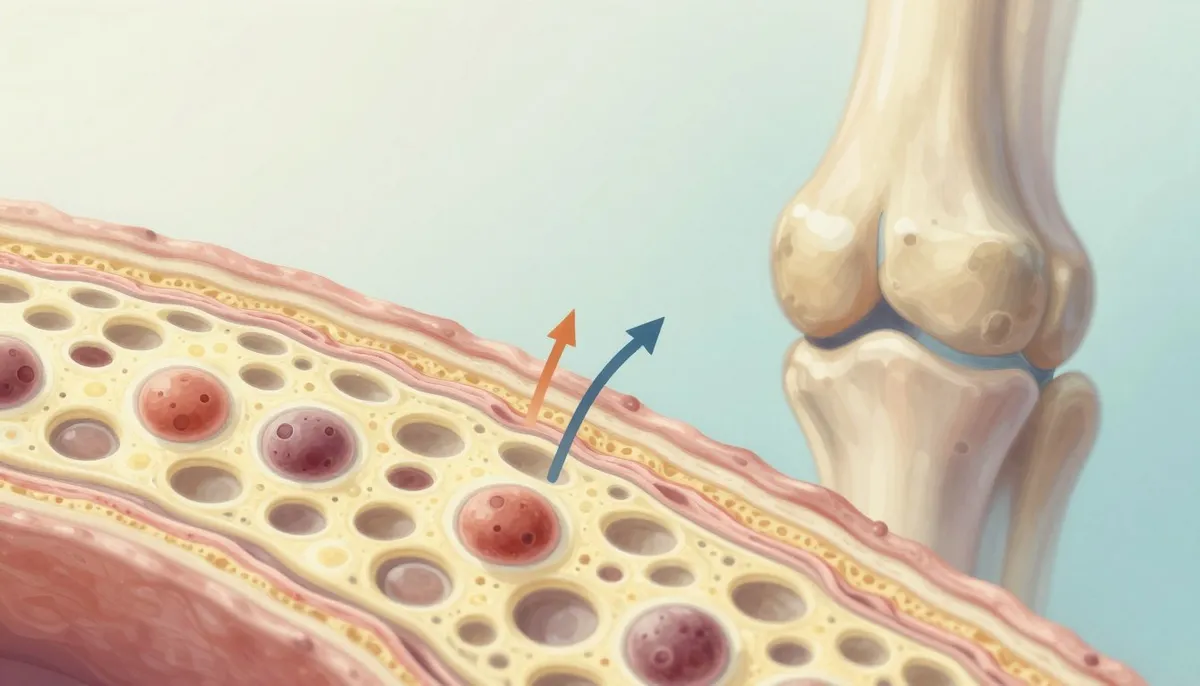
Cartilage is a unique, water-rich tissue built to handle heavy loads. It works like a sponge and needs proper fluid balance to keep its structure. Eating standard collagen does not ensure the body uses those proteins to restore needed cartilage hydration.
True recovery requires a change in perspective. Rather than relying on pills alone, people should consider how movement and internal moisture levels affect health. Lasting cartilage hydration requires a practical plan focused on safety, evidence-based movement, and measurable results.
Key Takeaways
- Standard pills often fail because they do not address the root cause of tissue degradation.
- Cartilage acts as a load-bearing sponge that requires consistent fluid levels to function.
- Consuming collagen is not a direct substitute for the complex process of natural tissue repair.
- Effective recovery strategies must prioritize movement patterns that encourage fluid flow.
- Measurable progress is best tracked through symptom reduction and improved physical mobility.
Why Joint Supplements Fail Despite High Consumer Expectations
The gap between a bottle’s promise and a joint’s experience is often wider than people realize. Many people buy joint supplements hoping for a permanent fix, but they often feel disappointed. This frustration often comes from misunderstanding how these products affect the body.

Separate symptom relief from cartilage repair claims
Feeling better does not prove damaged tissue has healed. Many products provide temporary joint pain relief by masking discomfort, but they do not rebuild cartilage. True structural repair is complex, and few over-the-counter products can affect it.
“Evidence-based medicine requires us to look past the marketing claims and focus on what clinical trials actually demonstrate regarding tissue regeneration.”
— Health Research Perspective
How marketing promises can exceed clinical evidence
The collagen supplements industry often uses persuasive language to suggest universal benefits. These products may support general connective tissue health, but they are rarely the “cure-all” that advertisements suggest. Marketing teams often highlight small, early studies while ignoring limited human evidence for structural reversal.
Consumers should question claims that promise to “rebuild” or “restore” joints. When collagen supplements are presented as a primary solution, they may ignore the mechanical or inflammatory issues causing distress.
Why joint discomfort has more than one possible cause
Joint discomfort can have several causes. Because causes vary, one approach to joint pain relief often fails. Finding the root cause helps people choose the right strategy.
Age-related changes, osteoarthritis, injury, and inflammatory conditions
Each condition needs a different management plan. An injury requires a different recovery path than chronic osteoarthritis or systemic inflammation. The following table shows how these factors affect joint health differently.
| Condition | Primary Driver | Typical Symptom |
|---|---|---|
| Osteoarthritis | Cartilage wear | Stiffness after rest |
| Acute Injury | Structural trauma | Sudden, sharp pain |
| Inflammation | Immune response | Swelling and heat |
| Age-related | Tissue degradation | Gradual mobility loss |
Recognizing that joint supplements cannot treat every kind of damage helps users set realistic expectations. Evidence-based care helps people spend time and money on strategies that offer genuine, long-term joint pain relief.
How Cartilage Hydration Supports Comfortable Joint Movement
Cartilage is more than a cushion; it is complex, water-rich tissue essential for smooth movement. This specialized connective tissue absorbs shock, spreads forces across the joint, and helps prevent bone-on-bone contact. Maintaining optimal cartilage health requires balanced fluid movement, helping tissue stay resilient under pressure.
Understand cartilage as a water-rich, load-bearing tissue
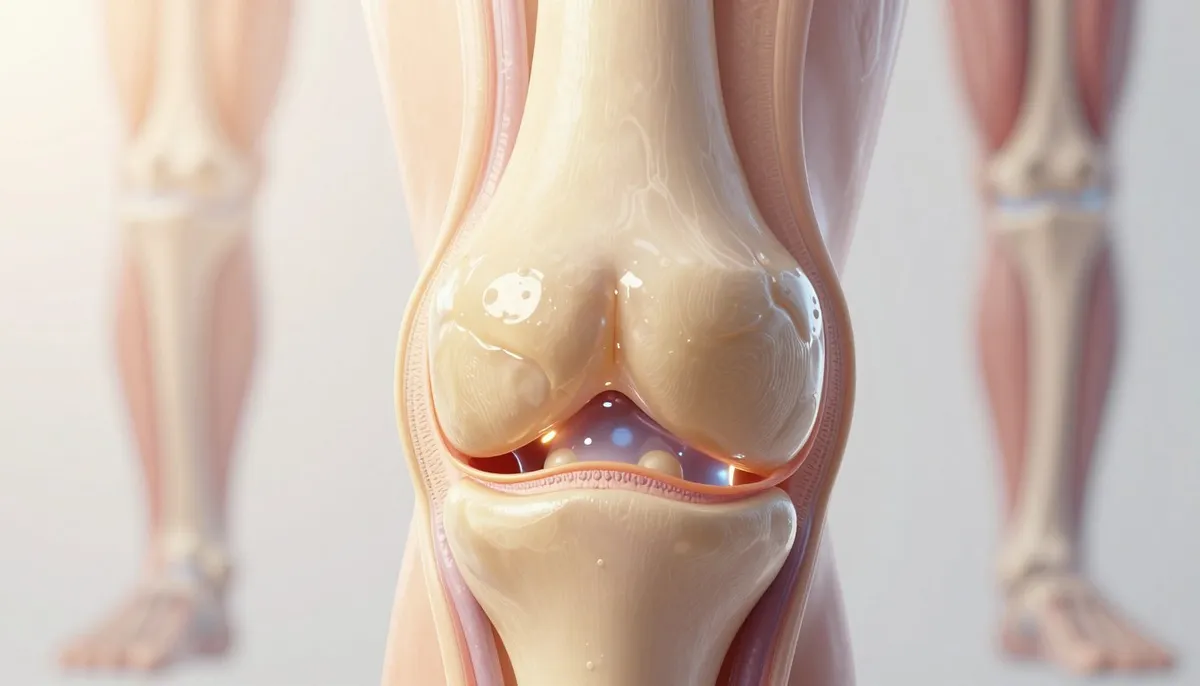
At a microscopic level, cartilage works much like a high-tech sponge. It contains a dense fiber network that traps large amounts of water. This water lets cartilage deform under pressure and return to its original shape afterward.
The role of proteoglycans, glycosaminoglycans, and hyaluronic acid
Cartilage holds water because certain molecules attract and bind fluid. Proteoglycans and glycosaminoglycans act as water “magnets” within the matrix. They create osmotic pressure that draws fluid into the tissue, keeping it full and functional.
Additionally, hyaluronic acid for joints helps maintain synovial fluid viscosity. It works with other components to provide effective joint lubrication, reducing friction during every step or movement. Without these molecules, cartilage loses strength and its ability to manage stress.
| Component | Primary Function | Impact on Joint |
|---|---|---|
| Proteoglycans | Water retention | Maintains tissue volume |
| Glycosaminoglycans | Structural support | Provides shock absorption |
| Hyaluronic Acid | Lubrication | Reduces surface friction |
How water movement helps cartilage absorb compression
Water moves in and out of cartilage throughout the day. This cycle supports nutrient delivery and waste removal within the joint space.
Compression during activity and fluid recovery at rest
During walking or running, joint pressure squeezes water from the cartilage matrix. This lets the tissue compress and absorb movement’s impact. During rest, osmotic pressure draws fresh fluid back inside, “recharging” cartilage for the next activity cycle.
Why hydration is not the same as simply drinking more water
Many people assume that increasing daily water intake will directly improve joint hydration. However, local chemistry controls cartilage fluid balance, not overall hydration. Extra water cannot enter cartilage if its matrix lacks enough proteoglycans to hold it. True joint lubrication and tissue health depend more on cartilage structure than total body water consumption.
Why Standard Collagen May Not Address Cartilage Hydration
Collagen is a vital structural protein, but joint health often gets confused with cartilage hydration. Many consumers think these proteins repair worn cartilage directly. Yet the body works in more complex ways, so this difference matters when evaluating popular collagen supplements.
What happens to oral collagen after digestion
After a person consumes collagen, the body does not send its molecules straight to the joints. The digestive system breaks the protein into smaller units called peptides and individual amino acids. These components enter the bloodstream and support tissues throughout the body, including skin, tendons, and ligaments.
How collagen peptides differ from intact cartilage components
Collagen peptides differ from the complex molecules found in healthy cartilage. Cartilage uses proteoglycans and glycosaminoglycans to keep its structure and water content. These molecules act like a sponge and hold fluid for shock absorption during movement.
- Collagen: Provides the structural framework or “scaffolding” for tissues.
- Proteoglycans: Responsible for attracting and retaining water within the joint.
- Hyaluronic Acid: A key component that helps lubricate the joint space.
Why collagen can support connective tissue without directly rehydrating cartilage
Collagen may support connective tissues, but it cannot draw water into the cartilage matrix. Structural integrity differs from fluid regulation. A supplement might help maintain tendon or ligament density, but it may not restore the “spongy” nature of cartilage after hydration loss.
Distinguish structural protein support from tissue fluid regulation
To understand these differences, consider how these substances function within the body:
| Feature | Collagen Peptides | Cartilage Matrix Components |
|---|---|---|
| Primary Role | Structural support | Fluid retention |
| Mechanism | Amino acid supply | Osmotic pressure |
| Joint Impact | Tissue maintenance | Shock absorption |
What current evidence can and cannot establish about collagen supplements
Current joint supplement evidence suggests that some products, such as type II collagen, may improve comfort but are not cures. Researchers often study these osteoarthritis supplements for reducing discomfort, not reversing structural damage. Scientific data supports using these supplements as supportive tools, not replacements for the biological processes that maintain cartilage hydration.
Assess Joint Symptoms Before Choosing Joint Supplements
A clear symptom record can improve how you manage your health. Specific notes show what you need instead of relying on general impressions. This clarity helps when seeking joint pain relief or improving daily function.
Identify the joint, movement, and pattern involved
Start by finding exactly where discomfort begins. Is it one knee, both hips, or the small joints in your hands? This detail helps show whether the problem is local or affects your whole body.
Then note which movements trigger the sensation. Record whether pain starts with movement, appears at its end, or follows long activity. These patterns help you assess your joint mobility.
Record stiffness, swelling, clicking, instability, and activity limitations
Keep a simple log of your symptoms for one or two weeks. Memory can lead to mistakes, so write down what you notice.
- Stiffness: Note how long it takes to feel loose after waking up.
- Swelling: Observe if the area looks puffy or feels warm to the touch.
- Clicking or Popping: Track if these sounds are accompanied by pain.
- Instability: Record if the joint feels like it might “give way” during use.
- Limitations: List specific tasks you can no longer perform easily.
Set a measurable comfort or mobility goal
Goals like “feeling better” are hard to track. Set clear measures that show your progress. These measures can show whether a supplement helps manage joint stiffness.
Examples: walking duration, stair comfort, or morning stiffness
Use these examples to create your own baseline:
- Measure how many minutes you can walk before needing a break.
- Rate your comfort level when climbing a specific flight of stairs.
- Count the number of minutes it takes for your morning joint stiffness to subside.
Recognize symptoms that require professional evaluation
Self-tracking helps, but it does not replace medical advice. Consult a healthcare provider before starting a new regimen when warning signs appear. Seek help for sudden, severe swelling, an inability to bear weight, or pain that keeps you awake.
These symptoms may need a clinical diagnosis for proper joint pain relief and care.
Check the Underlying Factors That Affect Cartilage Comfort
Better cartilage health starts with a close look at your lifestyle and movement habits. Supplements alone may miss how joints handle stress from movement. A strong joint care plan must address these factors for lasting comfort.
Review activity levels and repetitive joint loading
Each joint can handle only so much stress before discomfort begins. High-impact activities and repeated motions may speed wear when tissues lack support. Consistency matters, but rest gives tissues time to repair.
Consider body weight, muscle support, and movement mechanics
Body weight affects the load on weight-bearing joints, including the knees and hips. Even small changes in body mass can greatly change pressure on cartilage during daily activities. Strong muscles also absorb shock and protect joints from heavy impact.
Account for previous injuries and existing diagnoses
Past trauma can change how a joint moves and absorbs force. An old injury may affect movement mechanics and cause uneven wear. Existing medical conditions can also change how your body responds to standard exercise.
When a physical therapist or physician should assess movement
Seek professional guidance if clicking, locking, or instability continues. A physical therapist can find muscle imbalances that affect joint tracking. Early help from a qualified expert may stop minor issues from becoming chronic problems.
“Movement is the medicine for creating change in a person’s physical, emotional, and mental states.”
Carol Welch
Examine sleep, recovery, and other factors that influence pain sensitivity
Pain is more than a physical signal; your nervous system and recovery also affect it. Poor sleep can lower your pain threshold, making mild joint stiffness feel worse. A complete joint care plan should include restful sleep and stress management to help control pain sensitivity.
| Factor | Impact on Joint | Action Required |
|---|---|---|
| Muscle Strength | High (Shock Absorption) | Targeted Resistance Training |
| Body Weight | High (Load Bearing) | Sustainable Nutrition |
| Sleep Quality | Moderate (Pain Sensitivity) | Consistent Sleep Hygiene |
| Movement Mechanics | High (Alignment) | Professional Assessment |
Evaluate a Joint Supplement’s Evidence and Label
The joint supplements market requires careful attention and healthy skepticism. Before choosing a product, learn to read its package information. This helps you judge its benefits and joint supplement safety.
Look for clearly identified active ingredients and amounts
A clear label suggests a reputable manufacturer. You should find every active ingredient and its dose per serving. If details are hidden, you cannot tell whether the product contains enough to help.
Distinguish human clinical evidence from laboratory or animal research
When reviewing joint supplement evidence, check whether studies involved humans. Many companies promote products using findings from petri dishes or animal models. These studies support early discovery but do not guarantee results for people.
Check whether the product measures comfort, mobility, or structural outcomes
First, understand what the product aims to do. Some supplements target temporary comfort, while others aim to improve range of motion. Look for trials measuring the specific outcome you want.
Why short-term symptom changes do not prove cartilage regeneration
Many users feel less discomfort after taking a supplement for a few weeks. However, short-term relief does not show repaired or regenerated cartilage. Structural joint changes take time, and reduced pain alone cannot confirm them.
Review third-party testing, manufacturing quality, and serving instructions
For joint supplement safety, look for seals from independent groups like USP or NSF. These groups check whether products match their labels and lack harmful contaminants. Follow serving instructions because exceeding the dose rarely improves results and may increase side effects.
Identify proprietary blends and unsupported “cartilage rebuilding” claims
Be wary of products that hide ingredient amounts behind a “proprietary blend.” This tactic may hide trace amounts of expensive, effective ingredients. Also, question brands promising “cartilage rebuilding” without strong, peer-reviewed joint supplement evidence.
Build a Cartilage-Supportive Hydration and Movement Routine
A strong joint health plan combines hydration with gentle, regular movement. Supplements matter, but daily movement also supports the mechanical health of your joints. To improve joint mobility, address both internal hydration and physical activity.
Maintain regular fluid intake without treating hydration as a cure
Hydration supports overall health, but it cannot cure joint pain. Water helps maintain fluid balance within cartilage, but extra water cannot reverse structural damage. Think of hydration as a necessary foundation for healthy tissue function during daily activities.
Use low-impact movement to promote joint fluid circulation
Movement helps deliver nutrients to cartilage. Because cartilage has no direct blood supply, compression and release help circulate synovial fluid. This process, called joint fluid circulation, nourishes and lubricates the tissue.
Walking, cycling, swimming, and controlled range-of-motion exercises
low-impact exercise stimulates joint fluid circulation without excessive wear. Swimming and cycling provide resistance while reducing jarring impact on your knees and hips. Controlled range-of-motion exercises help joints follow their full, healthy path without strain.
Pair mobility work with gradual strength training
Strong muscles act as shock absorbers for your joints. Pair mobility routines with gradual strength training to support your cartilage and reduce daily stress. Start with light resistance and use proper form to build stability over time.
Use warm-up and recovery periods to reduce unnecessary joint stress
Do not begin intense activity without preparing your body. A proper warm-up increases blood flow to muscles and prepares joints for movement. Recovery periods let tissues rest and repair, helping prevent inflammation and long-term discomfort.
Adapt exercise to pain, swelling, and medical limitations
Listen to your body during every physical routine. If sharp pain or increased swelling occurs, reduce or change your activity immediately. A physical therapist or doctor can tailor movements to your medical needs, keeping exercise safe and effective.
| Activity Type | Primary Benefit | Impact Level |
|---|---|---|
| Swimming | Full body circulation | Very Low |
| Cycling | Joint lubrication | Low |
| Walking | Bone density support | Low to Moderate |
| Yoga/Stretching | Flexibility and range | Low |
Choose Supplement Ingredients That Match the Goal
Choosing a joint supplement means looking past general labels and learning what each ingredient does. Pick ingredients that match your goals for mobility and comfort.
Compare collagen peptides with cartilage-focused ingredients
Many people choose standard collagen peptides, but they may work differently from cartilage-focused ingredients. Knowing this difference can help you choose a product for your needs.
Hyaluronic acid and its proposed role in joint lubrication
Hyaluronic acid for joints is often studied for its possible role in joint lubrication. It may help keep synovial fluid thick, which could support smoother movement and less friction within the joint capsule.
Undenatured type II collagen and its different proposed mechanism
Unlike hydrolyzed collagen, type II collagen in its undenatured form may work through a process called oral tolerance. This process may help regulate the joint’s immune response and possibly reduce inflammation. It may do this instead of simply supplying building blocks for tissue.
Glucosamine and chondroitin evidence for selected users
The combination of glucosamine and chondroitin remains one of the most studied pairings for joint health. Results vary, but some people with specific types of discomfort find these compounds support their long-term comfort goals.
Do not assume that combining more ingredients improves results
A longer ingredient list does not automatically make a supplement more effective. Complex formulas may contain lower doses of each ingredient, which can reduce their potential benefits. Focusing on high-quality, evidence-backed ingredients usually works better than choosing many additives.
Check medication interactions, allergies, and health conditions
Prioritizing joint supplement safety matters when you manage other health concerns. Check the full ingredient list for allergens, such as shellfish, common in many glucosamine products.
Discuss supplement use with a clinician when taking anticoagulants or managing chronic disease
If you take blood thinners or anticoagulants, consult your doctor before starting a new supplement. Some ingredients may interact with medicines and cause serious health complications. Tell your doctor about your supplement regimen during routine medical checkups.
Follow the label and avoid exceeding recommended amounts
Consistency matters, but taking more does not improve results. Follow the manufacturer’s serving instructions to avoid unnecessary strain on your system. Adhering to recommended dosages helps you stay within safe limits and gives your body the best chance to respond.
Track Results Long Enough to Judge a Joint Supplement
A clear starting point helps show whether a supplement offers real value. Before trying a new product, record your current joint stiffness and physical function. Use this snapshot to compare future progress.
Establish a baseline before starting the product
Record pain levels at rest and during movement. Note how long it takes to move easily after waking. Writing these details down prevents memory errors over several weeks.
Track pain, stiffness, mobility, activity, and unwanted effects
Consistency helps you gather useful data. Track daily activity because it directly affects how your joints feel. Also watch for side effects, such as digestive discomfort or skin reactions, to support safe long-term use.
Use the same activities and rating scale from week to week
Use a standardized 1-to-10 pain scale for every entry. Perform the same movements, such as climbing specific stairs or walking a set distance, at the same time daily. This approach separates the supplement’s effects from other daily changes.
| Metric | Measurement Method | Frequency |
|---|---|---|
| Pain Intensity | 1-10 Numerical Scale | Daily |
| Morning Stiffness | Minutes to loosen up | Daily |
| Activity Range | Distance or Repetitions | Weekly |
Allow an appropriate trial period without ignoring worsening symptoms
A proper supplement trial period usually lasts four to eight weeks. Cartilage-supportive ingredients may need time to build up before changes appear. If symptoms worsen significantly, stop the product immediately and consult a professional.
Decide whether the supplement adds value alongside exercise and care
Supplements should support, not replace, exercise and care. Ask whether the product makes physical therapy or exercise easier. If it supports steadier movement, it may add value to your health plan.
Stop and reassess when there is no meaningful improvement
If your data shows no change after the trial period, stop the supplement. Using a product without benefits wastes resources. Reassess basic habits, such as strength training, hydration, and proper rest.
Common Mistakes That Make Joint Supplements Seem Ineffective
Understanding why joint supplements seem ineffective is the first step toward a successful joint care plan. Many people feel discouraged when a product fails to provide the relief they expected. Often, the problem lies not in the supplement, but in how people manage joint health.
Expecting a supplement to reverse advanced joint damage
A common mistake is believing a supplement can repair severely worn cartilage. Some ingredients may support comfort, but they cannot reverse structural damage or advanced degeneration. Managing expectations helps prevent disappointment when biological limits are reached.
Changing multiple products and habits at the same time
Starting a supplement while changing diet, exercise, and sleep makes results hard to track. You cannot tell which change is working. A structured joint care plan requires testing one variable at a time for clear results.
Using inconsistent doses or stopping before evaluation is possible
Consistency supports every effective health strategy. Many users stop after a few days or skip doses, preventing steady levels of active ingredients. Give a product enough time to work for an accurate assessment.
Ignoring strength, mobility, sleep, and weight-related factors
Supplements are only one part of a larger strategy. Without muscle strength, proper movement, and enough sleep, a supplement may not provide much help. A complete joint care plan must address these basic lifestyle factors to support real improvement.
Trusting testimonials instead of checking evidence and safety information
Marketing often uses emotional stories instead of clinical data. Anecdotal evidence can lead to poor safety and effectiveness decisions. For safety, prioritize peer-reviewed research over other people’s experiences.
Why individual experiences cannot predict another person’s response
Each person has a unique medical history, genetic makeup, and joint problem. What helps one person may fail or even harm another. Personal testimonials overlook differences in diagnosis and physiology that shape treatment responses.
| Common Pitfall | Resulting Issue | Recommended Strategy |
|---|---|---|
| Changing multiple habits | Unclear cause and effect | Change one variable at a time |
| Inconsistent dosing | Reduced efficacy | Follow label instructions daily |
| Ignoring lifestyle | Limited progress | Prioritize strength and sleep |
| Relying on testimonials | Misguided expectations | Review clinical evidence |
When to Replace Self-Experimentation With Medical Guidance
Knowing when to stop home remedies and seek a medical diagnosis is vital when managing joint discomfort. Personal wellness routines matter, but they should never delay needed clinical care.
Seek prompt evaluation for sudden swelling, severe pain, or inability to bear weight
Certain symptoms are clear red flags that need immediate attention. If you have sudden, intense swelling or pain that stops you from bearing weight, consult a doctor right away.
These signs may point to an acute injury or a flare-up beyond simple wear and tear. Ignoring them can cause long-term damage that becomes much harder to treat later.
Discuss persistent stiffness or reduced function with a healthcare professional
If your joints stay stiff or lose range of motion despite your efforts, schedule an appointment. A professional can explain why your current routine is not producing expected results.
They can provide a clear view of your joint health. This conversation replaces guesswork with a plan that works for your body.
Ask about physical therapy, diagnostic testing, and evidence-based treatment options
When you meet with a provider, ask about specific, evidence-based treatments. Physical therapy, for instance, often restores movement better than any pill.
How professional care can identify osteoarthritis, injury, or inflammatory disease
A doctor can tell mechanical wear, such as osteoarthritis, from systemic problems like inflammatory disease. This difference matters because injury treatment differs greatly from managing chronic conditions.
Many people seek osteoarthritis supplements for symptom relief, but these products cannot repair structural injuries or calm autoimmune responses. Only a clinical diagnosis can guide the right medication or therapy.
Reassess supplements after a diagnosis or medication change
After a formal diagnosis, review your entire supplement regimen with your doctor. Some osteoarthritis supplements may no longer be needed or could interact with new prescriptions.
Prioritize safety by making sure your healthcare team knows everything you take. This honesty helps prevent side effects and keeps your treatment plan coordinated.
Use cartilage hydration as a supportive concept, not a replacement for treatment
View cartilage hydration as a supportive goal, not a stand-alone cure. Hydrated tissues may improve comfort, but they do not replace physical therapy or medical oversight.
True joint health depends on professional guidance and healthy habits. Keeping these ideas in balance can support long-term mobility.
Conclusion
Managing joint comfort requires a change in perspective. Generic joint supplements often disappoint because they may not address complex tissue health. Cartilage hydration depends on fluid control and regular movement, not simple oral intake.
Set clear goals based on your specific mobility needs. Judge each product by human clinical evidence and support for your unique physiology. Combine targeted nutrition with low-impact exercise and proper recovery.
Monitoring results over time provides clarity and helps you adjust your strategy. If discomfort persists, seek professional guidance to check for underlying structural issues. Evidence-based habits and informed choices create a sustainable path toward better movement and long-term joint function.
FAQ
Why do many joint supplements fail to provide the long-term relief consumers expect?
Most supplements fail because symptom relief does not mean actual cartilage repair. Ingredients may ease discomfort briefly, but they rarely reverse structural damage or advanced osteoarthritis. Marketing claims often exceed human clinical evidence, causing expectations of total regeneration despite limited biological results.
Is drinking more water enough to improve cartilage hydration and joint lubrication?
No. General body hydration is not the same as localized cartilage hydration. Cartilage uses specific molecules—proteoglycans, glycosaminoglycans, and hyaluronic acid—to trap and move water, helping joints absorb compression during activity.
More water cannot ensure moisture reaches synovial fluid or stays in the cartilage matrix without these essential structural components.
How do standard collagen peptides differ from specialized ingredients like Undenatured Type II Collagen?
Standard collagen peptides usually break down into amino acids during digestion, supporting general connective tissue and skin health. Undenatured Type II Collagen, such as UC-II, is processed at lower temperatures, keeping fibers intact to influence joint inflammation. Peptides provide building blocks, but they do not rehydrate cartilage or regulate tissue fluid like BioCell Collagen or specialized formulations.
Can supplements like Glucosamine and Chondroitin actually regrow lost cartilage?
Current scientific evidence does not show that Glucosamine and Chondroitin regrow cartilage lost through age or injury. They may support existing tissue and improve joint lubrication, but they are not a “cure” for structural degradation. Users should view them as supportive tools for managing discomfort, not agents of total biological reversal.
What specific symptoms should be tracked to determine if a supplement is working?
To measure progress objectively, record morning stiffness, swelling, audible clicking, and sensations of instability. Set functional goals, such as walking for 30 minutes without pain or climbing stairs more easily. Without measurable mobility or comfort improvement after a consistent trial period, the supplement may provide no value.
Why is movement and strength training necessary if someone is already taking joint supplements?
Supplements cannot replace the mechanical benefits of low-impact movement and muscle support. Cycling, swimming, and walking promote synovial-fluid circulation, which delivers nutrients to cartilage. Strengthening muscles around a joint reduces cartilage load and addresses movement mechanics that often cause wear and tear.
When should a person stop self-experimenting with supplements and seek professional medical advice?
Consult a healthcare professional from Mayo Clinic or Cleveland Clinic for sudden swelling, severe pain, or inability to bear weight. Persistent stiffness that disrupts daily life, or worsening symptoms despite supplements, requires a formal diagnosis. Professional care can rule out inflammatory conditions, acute injuries, advanced osteoarthritis, or needs for physical therapy or prescription intervention.
What are the risks of taking high-dose proprietary blends without checking for medication interactions?
Many joint products use proprietary blends that hide active ingredient amounts, making efficacy and safety hard to judge. This is especially dangerous for people taking anticoagulants (blood thinners) or allergic to shellfish, a common Glucosamine source. Always review the full label and discuss new regimens with a clinician to avoid adverse reactions or interactions with chronic disease medications.