
The gut and liver connect directly via the portal vein: microbial products, bile acids and nutrients flow one way, bile and immune signals the other. When this axis strains — think fatty liver plus dysbiosis — energy and weight both suffer.
Key Takeaways
- Portal vein links gut bugs to liver load
- Fatigue + waist gain can flag fatty liver
- Fiber, crucifers, coffee, walks help both
Your Gut and Liver Talk Constantly
Beneficial microbes produce short-chain fatty acids that keep the gut sealed and the liver lean; disrupted flora leaks endotoxin that the liver must defuse, diverting metabolic capacity.
After 50, muscle mass declines about 1 to 2 percent per year without resistance activity, and since muscle drives resting metabolism, daily calorie needs quietly shrink. Gut absorption efficiency can also dip.
Signs the Axis Is Struggling
Afternoon energy crashes, creeping waistline with normal labs, new alcohol sensitivity, and sluggish digestion cluster in early fatty-liver patterns — worth an ultrasound and liver panel when persistent.
The fundamentals still dominate: adequate protein, fiber-rich plants, daily walking plus twice-weekly resistance work, 7 to 8 hours of sleep, and front-loaded hydration.
Daily Habits That Support Both
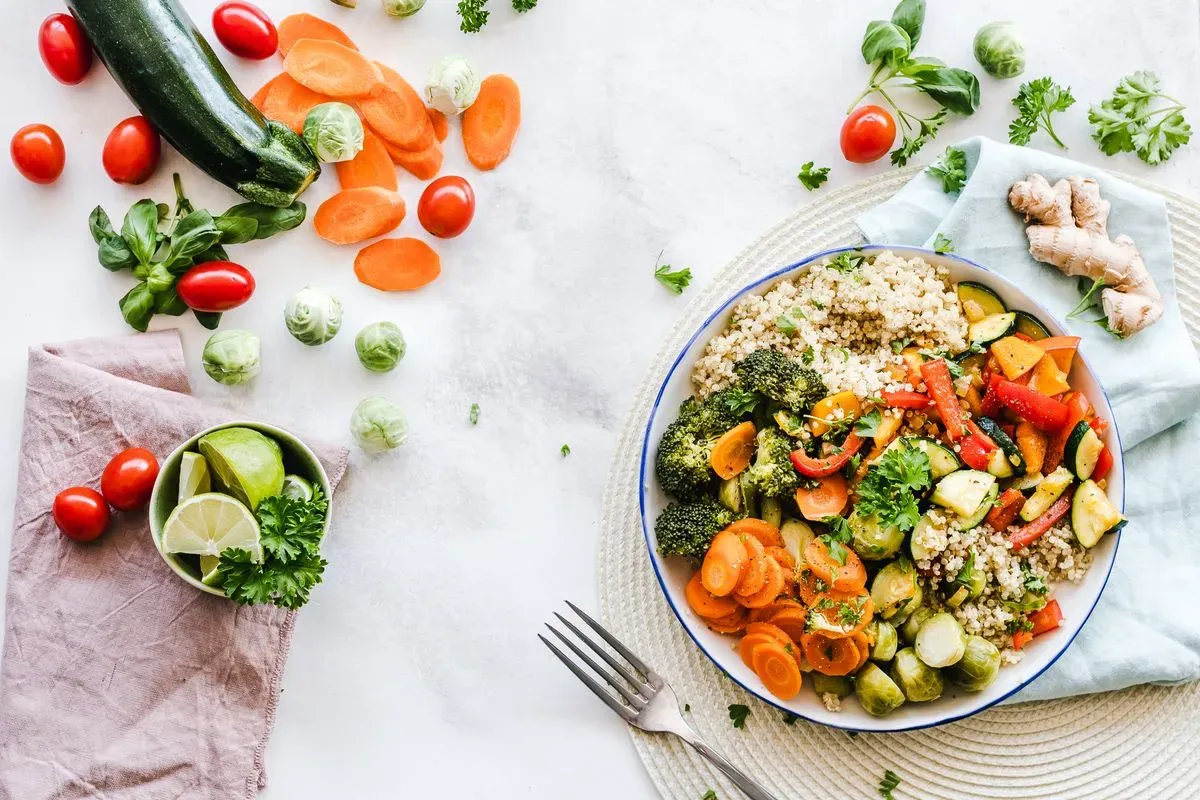
Cut sugary drinks and frequent alcohol, eat crucifers and fiber daily, drink coffee if tolerated, walk after meals, and keep acetaminophen within label limits.
Metabolism blends with green-tea catechins, ginseng or probiotics are popular, but effects are modest next to habits. People with thyroid, heart or liver conditions should check with a clinician first.
Dormant Metabolism After 50: gut health and fat storage
Continue your research with our related in-depth guide on this topic — part of the Health50 Digest series.
A faster-feeling metabolism after 50 is built from unglamorous basics: protein, fiber, muscle, sleep and water. Support products can complement — never replace — those foundations. Measure progress in energy and waistline trends, not day-to-day scale noise.
Medical Disclaimer: This article is for educational purposes only and is not medical advice, diagnosis, or treatment. Always consult your physician or dentist with questions about your health.